
Moving from NYC to Westchester Pros and Cons
Moving from NYC to Westchester usually trades a dense, walkable lifestyle for more space, Metro-North access to Grand Central, and a quieter setting. The main costs are layered property taxes, more reliance on a station or car, and a commute that varies by town. Compare specific towns, not Westchester as a whole.
Is moving from NYC to Westchester worth it?
For many buyers, moving from NYC to Westchester is worth it when they want more space and still need rail access to Manhattan. You give up some walkability and take on a more layered property-tax structure, and the right answer depends on the specific town, station, and school district you land in. I walk my clients through those trade-offs before they ever tour a home.
Key Takeaways
- Westchester is served by three Metro-North corridors, the Hudson, Harlem, and New Haven lines, and the MTA publishes schedules for each, updated for October 2026.
- Westchester property taxes are not one county charge: school districts, municipalities, the county, and special districts such as fire, sewer, water, and library districts can each levy their own.
- Two Westchester homes with similar sale prices can carry very different annual tax bills, so the exact school district and municipality matter more than any countywide average.
- Metro-North fares depend on your station pair and whether you travel at peak or off-peak times, so the train ticket is only one piece of your commuting budget.
- New York’s STAR program publishes maximum savings by Westchester school district for the 2026-2027 school year, but eligibility varies and it should never be assumed to offset your full tax bill.
What are the biggest pros of moving from NYC to Westchester?
The biggest pros are more living space, a calmer day-to-day setting, and direct Metro-North rail access to Grand Central. Those benefits are real, but they look different from one town to the next.
More space and a suburban setting
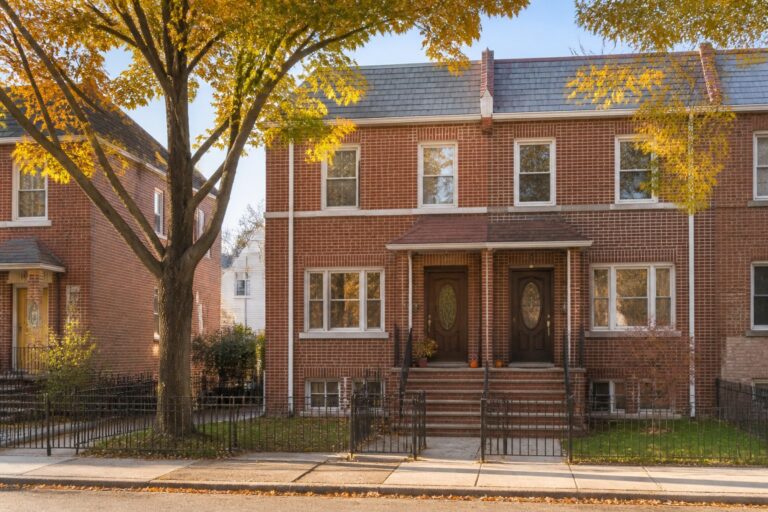
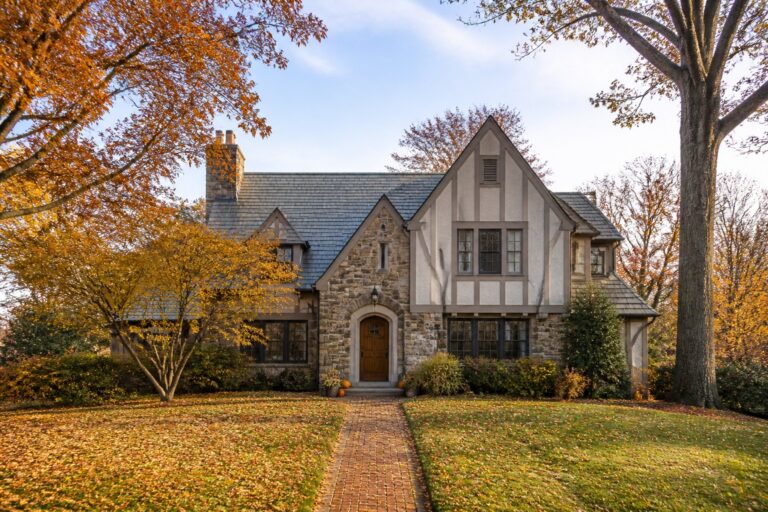
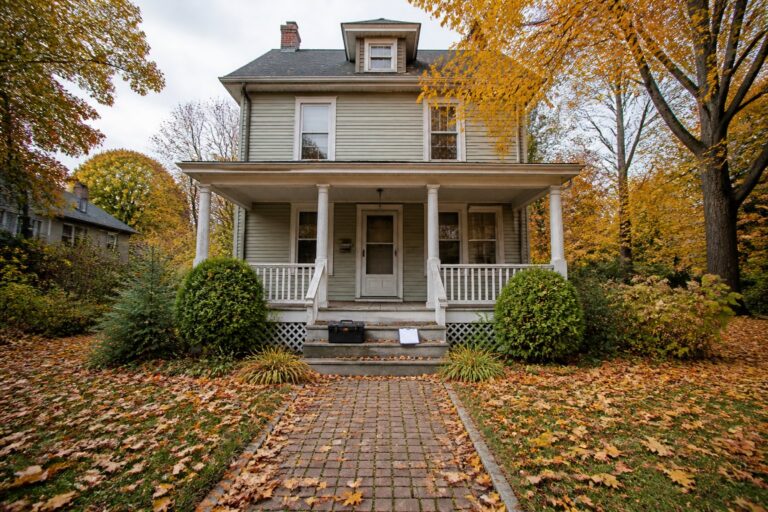
Most people I work with who leave the five boroughs are trading square footage and a quieter block for a shorter walk to everything. In Westchester you’ll generally find more single-family homes, plus condos, co-ops, and multi-family properties, with more indoor and outdoor space than a typical city apartment offers.
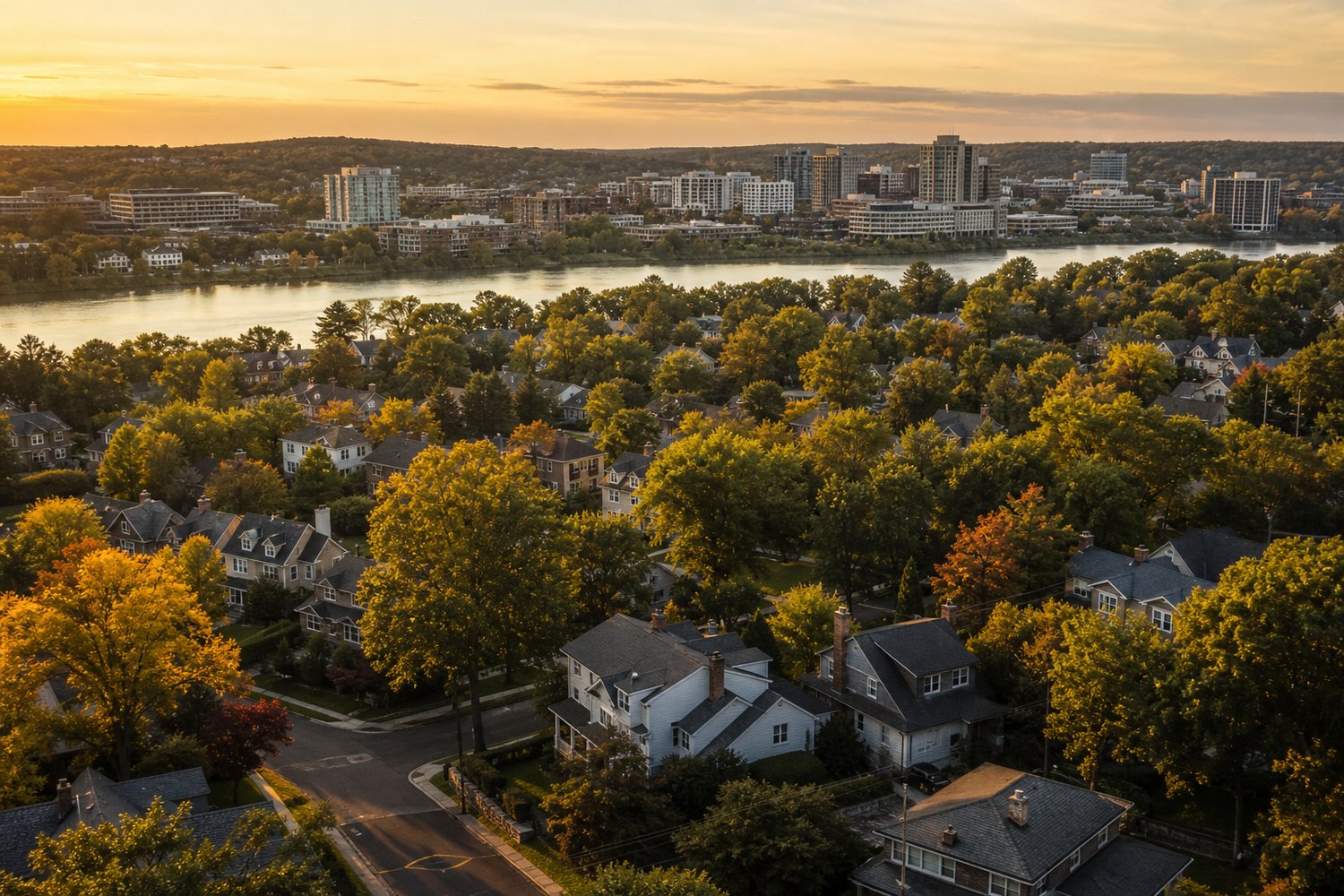
That said, Westchester isn’t one uniform place. Yonkers, New Rochelle, White Plains, Mount Vernon, Scarsdale, Bronxville, Tarrytown, and Peekskill each have a different density, housing mix, and downtown feel. Some have walkable centers near the station. Others are mostly residential streets where you’ll drive for errands.
Commuter rail into Manhattan
Metro-North runs on three Westchester corridors, the Hudson, Harlem, and New Haven lines. The MTA posts current schedules for all three on its Metro-North schedules page, and those schedules were updated for October 2026.
Travel time to Grand Central depends on your station and the train pattern, so I never quote a single “Westchester commute.” Pull the actual schedule for the stations you’re considering and look at the trains you’d really take.
Bus connections beyond the train
The Bee-Line bus system connects riders to Metro-North stations and Westchester employment centers. The MTA also lists UniTicket options that combine a Metro-North trip with Bee-Line service. That’s useful if you want rail access without driving to the platform, or if your job is in Westchester rather than Manhattan.
What are the cons of leaving NYC for Westchester?
The main cons are a more complicated property-tax picture, greater dependence on a station, bus route, or car, and a commuting budget that goes beyond the train ticket. None of these is a deal-breaker, but all of them deserve real numbers before you make an offer.
Property taxes are layered, not simple
The Westchester County Tax Commission explains that taxes may be levied by school districts, municipalities, the county, and special districts. That is a different structure from what many NYC households are used to, and it’s the number one place I see buyers get surprised.
The county’s tax-rate page lists school-district rates for the 2025-2026 tax year, along with municipal and county levy information. Rates vary substantially by municipality and school district. Two homes at the same sale price can have materially different annual obligations, so I always run the exact address, not an area average.
New York’s STAR program can reduce some owners’ bills. The state publishes maximum STAR savings by Westchester school district for the 2026-2027 school year. Eligibility depends on your circumstances and the district, so treat STAR as something to calculate for the individual property, not a blanket Westchester discount.
More dependence on a station or a car
In the city, you can often skip the car entirely. In Westchester, your daily life hinges on how close you are to the station and what’s within walking distance. Some neighborhoods near downtown stations work well without a car. Others really don’t. If you’re hoping to live car-light, tell me early so we can focus on the right towns.
The full commuting cost
The MTA states that Metro-North peak fares apply during specified weekday rush-hour periods, while off-peak fares apply at other times, including weekends and holidays. The exact fare depends on your origin, destination, and ticket type.
Build your budget door to door: the trip to the station, parking if you drive, peak versus off-peak pricing, and any Bee-Line connection. The MTA’s own fare guidance confirms it varies by station pair and travel period.
How do you decide which Westchester town fits your move?
Decide by comparing towns on property and logistics: housing type, station access, tax structure, and daily routine. Here’s the framework I use when I’m helping someone weigh moving from NYC to Westchester.
| Factor | New York City | Westchester | What to verify |
|---|---|---|---|
| Housing | Mostly apartments, co-ops, and condos | More single-family homes, plus condos, co-ops, and multi-family | Property type and condition in your target town |
| Daily travel | Subway, bus, and walking | Metro-North, Bee-Line, and driving | Your station, train pattern, and schedule |
| Property taxes | A different structure from Westchester’s | Layered across school, municipal, county, and special districts | The exact tax bill for the address |
| Pace of daily life | Dense and walkable | Varies sharply by town | Visit at rush hour and on a weekend |
Steps I walk my clients through
- Pick your commute anchor. Decide whether you’re heading to Grand Central, another Metro-North station, or somewhere that needs a Bee-Line or subway connection.
- Shortlist towns by station access. Check which line each town sits on in the MTA schedules.
- Test the commute for real. Ride the actual train you’d take on a weekday, not a weekend.
- Compare tax bills by address. Look at the school district, municipality, and special districts attached to each property.
- Check STAR eligibility. Confirm whether you’d qualify for Basic or Enhanced STAR and what the school district’s maximum savings look like.
Should you rent first?
If you’re not sure which town fits, renting for a period before buying can be a smart way to test the commute and the neighborhood. It isn’t right for everyone, and it depends on your timeline and your lease situation in the city. That’s a conversation I’m glad to have with you.
If you’re buying in Port Chester, I’ve laid out the early steps in Home Buyers in Port Chester Need These First Steps. And if you’re eyeing a Yonkers property as an investor, take a look at Distressed Properties in Yonkers for Investors.
Your numbers depend on the specific town, the specific house, and your own situation. This is exactly the kind of comparison the Property Solutions Team puts together for clients across Westchester County, and we also work in Fairfield County, CT, and Bergen County, NJ, if your search widens.
Want to see what other clients say about working with me? You can read my reviews on Google and Zillow.
FAQ
Is moving from NYC to Westchester financially worth it in 2026?
It can be, but it depends on your town, your property type, and your tax situation. Compare the full cost of ownership, including the layered Westchester property taxes, STAR eligibility, and your door-to-door commuting costs, rather than just the sale price. I run these comparisons with clients before they start touring.
How much longer is the commute from Westchester to Manhattan?
It varies by station and train pattern, so there’s no single answer. Check the MTA’s Metro-North schedules for the exact stations you’re considering, and then add your trip to the platform. I encourage buyers to ride the train they’d actually take before making an offer.
Which Westchester towns are easiest for commuting to Grand Central?
Towns with their own Metro-North station on the Hudson, Harlem, or New Haven lines are the natural starting point. From there, compare actual schedules and station access, since a close station with infrequent trains may serve you worse than a slightly farther one with better service. Tell me your destination and work schedule and I’ll help narrow the list.
Are Westchester property taxes higher than NYC property taxes?
The structures differ, and a single countywide comparison isn’t reliable. Westchester taxes are layered across school districts, municipalities, the county, and special districts, and rates vary by municipality and school district. The only meaningful comparison is the tax bill for a specific address.
Can I live in Westchester without owning a car?
In some locations, yes, especially near a Metro-North station with Bee-Line connections. It depends heavily on the town and the specific street, so I screen for walkability to the station and daily errands when a client wants to stay car-light.
The core takeaway is simple: moving from NYC to Westchester works best when you compare towns, stations, and tax bills one address at a time. I’ll help you do that with real data and honest advice. Call me at (914) 483-2883, or if you’re selling a home to make the move, get a free home valuation.
Equal Housing Opportunity. Michael Vasquez is a licensed real estate professional with eXp Realty (NY License #10401308083, CT License #0824615), and is affiliated with NAR, NYSAR, CTAR, and HGAR. This article is general information, not legal, tax, or financial advice. Confirm your own numbers with your closing agent, tax advisor, or lender.