
Selling a Co-op in Hartsdale, NY
Selling a co-op in Hartsdale, NY means selling shares in a cooperative corporation, so the board, the managing agent and the building’s own rules shape your timeline and your costs as much as the buyer does. Under Westchester County law, the board has 60 days to decide on a complete application, so plan on more steps and a slightly longer path to closing than a typical house sale.
How Do You Sell a Co-op in Hartsdale, NY?
You sell a co-op in Hartsdale by pricing it against recent co-op sales, finding a buyer who fits the building’s financial requirements, and then getting that buyer through the co-op board’s application and interview before you close. The legal work also looks different. You are not handing over a deed. You are transferring your stock certificate and assigning your proprietary lease, and the building’s managing agent plays a direct role in the closing.
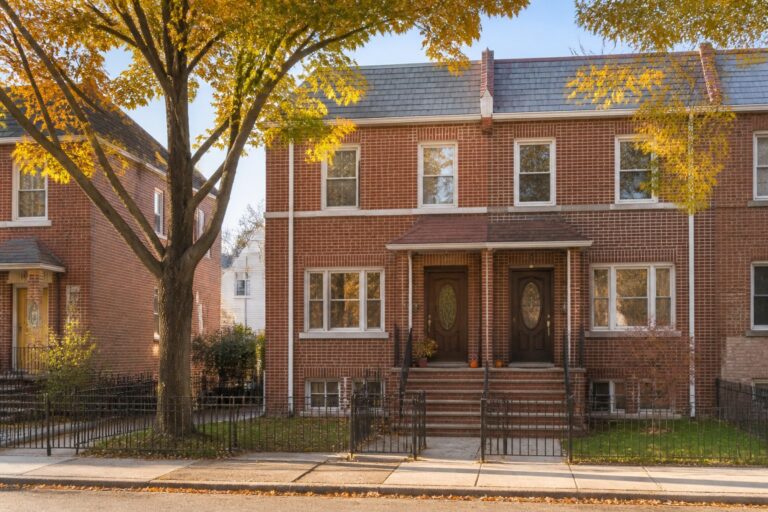
Hartsdale, a hamlet in the Town of Greenburgh, has a large share of co-op buildings, many of them along East Hartsdale Avenue and the streets around the Metro-North Harlem Line station. That means buyers here often compare several similar units at once. In my experience, the sellers who do best are the ones who prepare the building paperwork early, price with the monthly maintenance in mind, and screen buyers against the board’s requirements before signing a contract.
Key Takeaways
- Board approval is part of the sale: Your buyer must be approved by the co-op board, and Westchester County law sets deadlines for that decision.
- Maintenance affects price: Buyers weigh the monthly maintenance as heavily as the purchase price, so your pricing has to account for it.
- Costs include co-op specific items: Expect New York State transfer tax, possible flip tax, and managing agent fees on top of commission and attorney fees.
- Paperwork starts early: Your stock certificate, proprietary lease, and the building’s financial statements should be gathered before you list.
- Qualified buyers save time: Matching buyers to the board’s published financial requirements up front reduces the chance of a rejection late in the process.
What Makes Selling a Co-op Different From Selling a House?
When you own a co-op, you own shares in a corporation that owns the building, along with a proprietary lease that gives you the right to live in your unit. That structure changes who has a say in the sale and what documents move at closing.
The Board Reviews Your Buyer
The co-op board reviews every purchase application. Buyers usually submit a board package with tax returns, bank statements, employment letters, reference letters and a completed application, and most boards also hold an interview. In Westchester County, the Cooperative Housing Disclosure law requires boards to:
- Acknowledge the application: Within 15 days of receiving it, confirm it is complete or tell the applicant what is missing.
- Decide on time: Approve or reject within 60 days of receiving a completed application.
- Explain a rejection: Provide a written notice that includes the reason, on the county’s model form, and send a copy to the Westchester County Human Rights Commission.
- Disclose financial standards: State the minimum financial qualifications, or preferred minimums, in the application.
The county posts fines for boards that don’t comply, starting at $1,000 for a first offense. I don’t treat these rules as a guarantee of approval, but they do give sellers and buyers a clearer timeline than co-op sellers had in the past.
Shares and a Lease Instead of a Deed
At closing, you transfer your stock certificate and assign your proprietary lease to the buyer. If you have a co-op loan, your lender usually holds those original documents and brings them to closing when the loan is paid off. Instead of a traditional title search, attorneys typically run a lien search to confirm there are no claims against your shares.
The Managing Agent Is Involved
The managing agent supplies building information to buyers and lenders, processes the board package, and prepares the transfer paperwork. Many managing agents charge fees for these services, and some buildings require a move-out deposit or have rules about when moves can happen. I always ask for the building’s fee schedule in writing before we list, so there are no surprises on the closing statement.
How Much Does It Cost to Sell a Co-op in Hartsdale?
Your exact costs depend on your building and your sale price, but most Hartsdale co-op sellers should budget for the items below. Confirm each one with your attorney and the managing agent before you accept an offer.
| Cost | Who Sets It | What to Know |
|---|---|---|
| NY State transfer tax | New York State | $2 for every $500 of the sale price (0.4%), paid by the seller. Co-op units are covered. |
| Flip tax | Your co-op building | Not every building has one. The amount and method are set in the building’s documents. |
| Managing agent fees | Managing agent or building | May include transfer, processing, lien search or move-related fees. Ask for the schedule in writing. |
| Attorney fees | Your attorney | Most New York sales use attorneys on both sides to handle the contract and closing. |
| Real estate commission | Negotiated | Set in your listing agreement. Always negotiable. |
| Loan payoff | Your lender | Request a payoff letter early, since the lender holds your stock and lease. |
Transfer Tax and the Mansion Tax
According to the New York State Department of Taxation and Finance, the state real estate transfer tax is $2 for each $500 of consideration, paid by the seller, and the definition of residential property includes a cooperative apartment unit. The separate 1% mansion tax applies to residences selling for $1 million or more, and it is paid by the buyer, so it rarely comes up in Hartsdale co-op sales. Your attorney will confirm whether any other local tax applies to your specific sale.
Flip Tax
A flip tax is a transfer fee some co-ops charge when shares change hands. It can be a percentage of the sale price, a percentage of your profit, or a set amount per share. Check your proprietary lease, bylaws and any house rules, and ask the managing agent to confirm the current amount in writing. I don’t assume a building’s flip tax is the same as it was when you bought.
Capital Gains
If the co-op is your primary residence, you may be able to exclude up to $250,000 of gain, or $500,000 for married couples filing jointly, if you meet the ownership and use tests in IRS Publication 523. Ask your tax advisor how the rules apply to you.
If you want to know where your unit stands before you decide, you can get a free home valuation or call me at (914) 483-2883, and we’ll walk through the numbers with you.
What Is the Co-op Market Like in Westchester Right Now?
Countywide co-op data shows steady demand. According to the OneKey MLS report for August 2026, Westchester County co-ops recorded:
- 144 closed sales, down 7.7% from August 2025.
- A median sale price of $260,000, up 10.2% year over year.
- 49 days on market until sale, down from 66 a year earlier.
- 514 co-ops for sale, up 24.8% from 412.
These are county figures, not Hartsdale-only numbers, and individual buildings can move differently. Rising inventory means buyers have more choices, so condition, pricing and maintenance all matter more when they compare units. We pull recent sales from your building and nearby buildings to set a price that fits the current market.
What Are the Steps to Sell a Co-op in Hartsdale?
Here is the process we follow with co-op sellers, from preparation to closing.
Step 1: Gather Your Building Documents
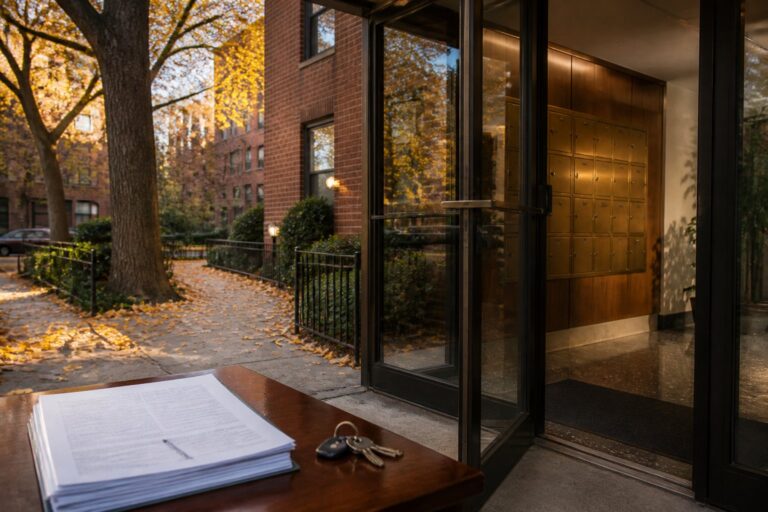
Collect your stock certificate (or confirm your lender holds it), your proprietary lease, the house rules, the most recent building financial statements, and the managing agent’s contact information and fee schedule. Buyers and their lenders will ask for this early.
Step 2: Price With Maintenance in Mind
Buyers look at the total monthly cost, including maintenance and any special assessments, along with the price. Two similar units with different maintenance amounts can sell for different prices. We compare recent sales and the monthly costs in each building.
Step 3: Prepare and Market the Unit
Clean, repair what’s needed, and plan photos and showings around the building’s rules. We highlight features like layout, light, storage, parking, laundry and distance to the Hartsdale Metro-North station.
Step 4: Screen Offers Against Board Requirements
When an offer comes in, I look at more than the price. I compare the buyer’s down payment, financing, and financial profile with the minimum requirements the board has disclosed. A slightly lower offer from a well-qualified buyer is often the stronger offer.
Step 5: Sign the Contract and Submit the Board Package
Once the attorneys finalize the contract, the buyer assembles the board package. A complete, well-organized package helps avoid delays at the 15-day completeness check.
Step 6: Board Interview and Decision
The board reviews the package, usually meets with the buyer, and must decide within 60 days of receiving the completed application.
Step 7: Close
Closing is usually coordinated with the managing agent. You transfer your shares and lease, pay off any loan, and pay the transfer tax and any flip tax.
| Stage | What Happens |
|---|---|
| Before listing | Gather documents, confirm fees, set price |
| Offer and contract | Screen buyer, attorneys negotiate and sign |
| Board review | 15 days to confirm completeness, 60 days to decide |
| Closing | Shares and lease transfer, taxes and fees paid |
How Does the Property Solutions Team Help Hartsdale Co-op Sellers?
We have more than 10 years of experience and over 100 homes sold, and our office is at 777 Westchester Ave, Suite 101, in White Plains, a short drive from Hartsdale. We help sellers organize building paperwork, price units against recent co-op sales, and screen buyers before contract so the board stage goes more smoothly. If you need to sell quickly or as-is, we also offer a cash offer option so you can compare it with a traditional listing. If you’re still deciding who to work with, our guide on choosing a listing agent in White Plains covers the questions to ask any agent.
FAQ
How long does it take to sell a co-op in Hartsdale?
It depends on pricing, condition and the board. The August 2026 OneKey MLS report showed 49 days on market until sale for Westchester co-ops. After that, the board has 15 days to confirm an application is complete and 60 days to decide, plus time for closing. Plan for a longer path than a typical single-family sale.
Can a co-op board reject my buyer in Westchester?
Yes. Boards can approve or reject purchase applications, but Westchester County law requires them to give a written reason for a rejection on the county’s model form and send a copy to the Human Rights Commission. Boards must also follow federal, state and county fair housing laws. Screening buyers against the board’s disclosed requirements helps reduce surprises.
Do I pay transfer tax when I sell a co-op in New York?
Yes. New York State’s real estate transfer tax applies to co-op units. The rate is $2 for every $500 of the sale price, which works out to 0.4%, and the seller usually pays it. The 1% mansion tax applies only at $1 million or more and is paid by the buyer. Confirm your exact amount with your attorney.
What is a flip tax and does my building charge one?
A flip tax is a fee some co-ops charge when a unit is sold. It might be a percentage of the price, a percentage of profit, or a per-share amount. Not every Hartsdale building has one. Check your proprietary lease and bylaws, and ask the managing agent to confirm the current amount in writing before you list.
Can I sell my Hartsdale co-op as-is?
Yes, you can sell as-is, though buyers will still need board approval and the building’s rules still apply. If speed or condition is a concern, we can also present a cash offer option alongside a traditional listing so you can compare net proceeds and timing before choosing. Your attorney can explain how as-is terms appear in the contract.
The core point: selling a co-op in Hartsdale goes more smoothly when you prepare the building paperwork early, price with maintenance in mind, and choose a buyer who fits the board’s requirements. Call me at (914) 483-2883 or get a free home valuation.
Equal Housing Opportunity. Michael Vasquez is a licensed real estate salesperson in New York (NY License #10401308083) and Connecticut (CT License #0824615) with eXp Realty, and follows the standards of NAR, NYSAR, CTAR and HGAR. This article is general information, not legal, tax, or financial advice. Confirm your own numbers with your attorney, closing agent, tax advisor, or lender.