
CCO Inspection When Selling a Home in Englewood, NJ
In Englewood, NJ, a seller must get a Certificate of Continued Occupancy (CCO) from the city’s Building Department before ownership can transfer. The inspection checks basic safety items, smoke and carbon monoxide alarms, a fire extinguisher near the kitchen, and illegal apartments or unpermitted work, so the cleanest sales start the paperwork as soon as a buyer is in place.
What Is a CCO Inspection When Selling a Home in Englewood, NJ?
A CCO inspection is a resale inspection by the City of Englewood that a seller must pass before the home can change hands. According to the City of Englewood Building Department, the seller must receive a Certificate of Continued Occupancy before transferring ownership. The requirement comes from City Ordinance 85-40 and covers one-family, two-family and multi-family homes.
This is not the same as the buyer’s home inspection. The buyer’s inspector works for the buyer and looks at condition. The city inspector checks a specific list of safety and legal-use items, and the certificate goes to the buyer at closing. When we help Bergen County sellers prepare, the CCO is one of the first items we put on the calendar, because a failed inspection or an open permit can push back a closing date that everyone has already planned around.
Key Takeaways
- It is required: Englewood sellers need a CCO before ownership transfers, for one-, two- and multi-family homes.
- The fee is set by the city: $150 for a one- or two-family home and $250 for a multi-family home, payable to the City of Englewood.
- Open permits come first: any outstanding permits must be closed out before the CCO inspection can be scheduled.
- Safety devices are checked: smoke alarms on each level, a carbon monoxide alarm within 10 feet of each bedroom, and an ABC fire extinguisher within 10 feet of the kitchen.
- Illegal units are a deal risk: illegal apartments or rented rooms must be removed, and a reinspection is needed before the certificate is issued.
How Does the Englewood CCO Process Work, Step by Step?
The process is simple on paper. The delays usually come from items that were never addressed before the house was listed.
Step 1: Check for Open Permits Before You List
The city states that any outstanding permits for work on the property must be closed out before the CCO inspection can be scheduled. A finished basement, a deck, a new boiler or a kitchen remodel with an open permit can hold up the entire sale. I don’t assume a past contractor closed everything out. Ask the Building Department what is open on your address before the listing goes live, so you have weeks to fix it instead of days.
Step 2: Apply Once You Have a Buyer
Englewood’s page says the seller or the seller’s agent should notify the Building Department in person after securing a buyer. The application asks for the property address, the current owner’s name and phone number, the buyer’s name, phone number and current address, and a mailing address for the responsible party if the buyer is a company or will not live there right away. It also asks for the number of current occupants and the number expected after the sale.
Step 3: The Inspection
The inspector checks that walls, floors, ceilings, stairs and rails are intact and generally safe, confirms the required alarms and extinguisher, and looks for illegal installations, apartments or rented rooms.
Step 4: Corrections and Reinspection
If the inspector finds violations, they must be corrected, and the city issues the CCO only after a second inspection confirms the work is done. The city also notes that selling without a CCO can lead to fines and closing delays.
Step 5: The Certificate Goes to the Buyer at Closing
Once issued, the CCO is passed to the buyer at the closing table. Your attorney and the buyer’s attorney will both expect to see it.
| Item | What Englewood Requires |
|---|---|
| Smoke alarms | At least one operating smoke alarm on each level of living space |
| Carbon monoxide alarms | At least one operating CO alarm within 10 feet of each bedroom, in a common area outside the bedrooms |
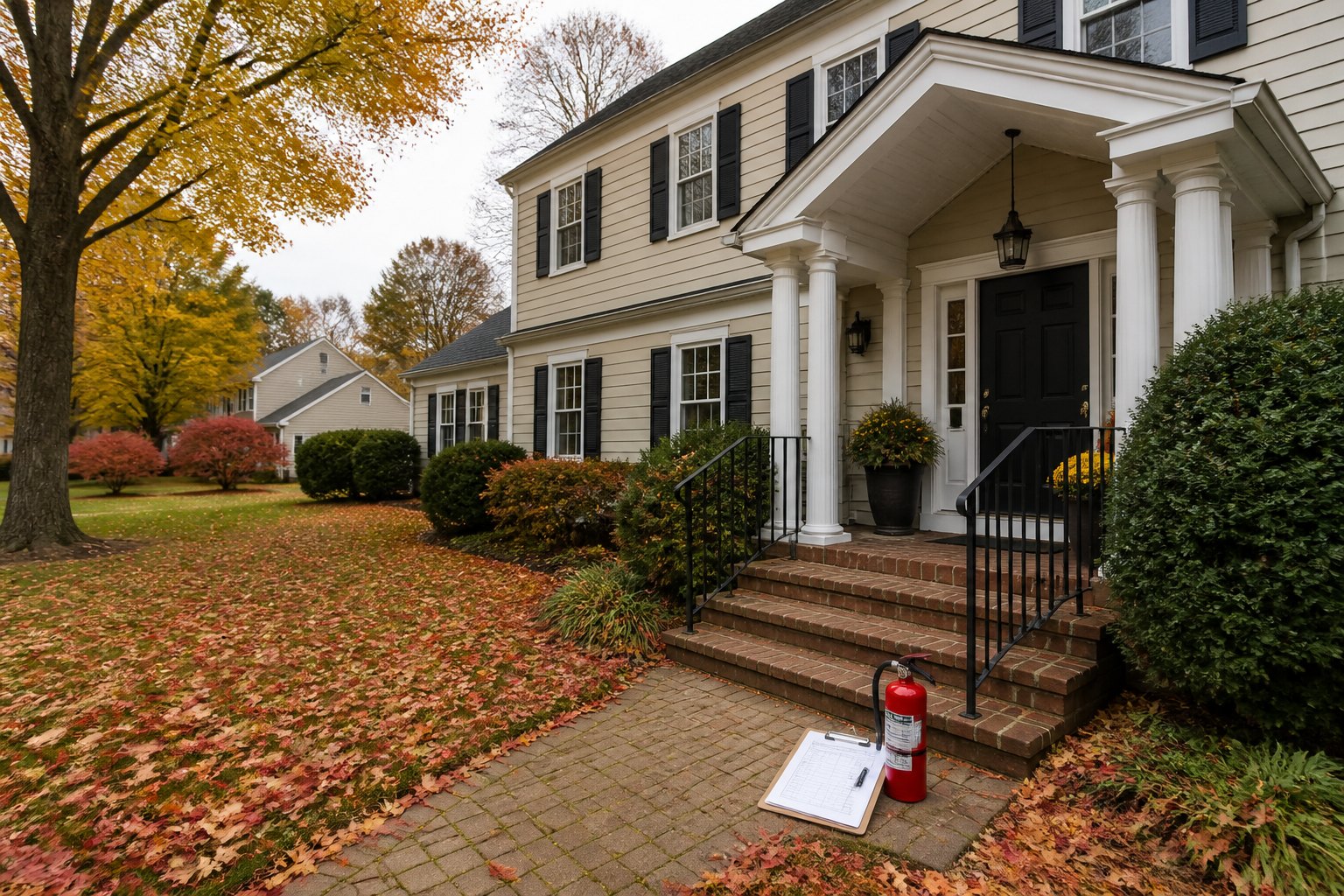
| Fire extinguisher | At least one operating ABC-type extinguisher, 2 lb minimum and 10 lb maximum, within 10 feet of the kitchen(s) |
| Structure | Walls, floors, ceilings, stairs and rails intact and generally safe |
| Legal use | No illegal installations, apartments or rented rooms |
| Fee | $150 for a one- or two-family home, $250 for multi-family |
If you are thinking about selling in Englewood and want to know where your home stands before any of this starts, you can get a free home valuation or call our team at (929) 240-6710 to talk through the prep list.
What Most Often Delays a CCO in Englewood?
In our experience preparing homes for sale, the problems are rarely dramatic. They are small items that become urgent once a closing date is set.
Open or Expired Permits
This is the most common surprise. Work done years ago may have a permit that was opened but never finaled. Because Englewood will not schedule the CCO inspection until outstanding permits are closed, this item can stall everything else. Closing a permit may require the original contractor, a new inspection, or plans that have to be located.
Basement Apartments and Extra Kitchens
The city states that illegal apartments must be removed, which can include cutting utility service and removing extra kitchens and bathrooms. If your home has a second kitchen or a separate unit that was never approved, talk to your attorney and the Building Department early. This is a cost and timing question you want answered before you set a price, not after a buyer signs.
Missing or Outdated Safety Devices
These are the easiest items to fix and the most frustrating to fail on. Walk every level and check:
- Smoke alarms: one working alarm on each level of living space, including the basement if it is living space.
- Carbon monoxide alarms: one working alarm within 10 feet of each bedroom area.
- Fire extinguisher: an ABC-type unit between 2 and 10 pounds within 10 feet of the kitchen.
- Alarm type: ask the inspector whether battery-only alarms must be sealed 10-year units, since fire offices in some Bergen County towns require that.
Under the state fire code, N.J.A.C. 5:70-2.3, a one- or two-family home needs smoke alarm, carbon monoxide alarm and fire extinguisher compliance before it is sold. Where a town already inspects through its own resale ordinance, as Englewood does, that review is folded into the local certificate. The state rule also notes that a CO alarm is not required in a building with no fuel-burning appliances and no attached garage. Confirm how that applies to your home with the inspector.
Timing Around Attorney Review
In New Jersey, a contract prepared by a licensee includes a three-day attorney review period under N.J.A.C. 11:5-6.2. The three days count from delivery of the signed contract and do not include Saturdays, Sundays or legal holidays. We use that window to get the CCO application moving, since the buyer details the city asks for are on hand by then.
How Should Englewood Sellers Prepare and Budget?
The CCO fee is small next to the other costs of selling. The real risk is time. A simple plan keeps the certificate from becoming the last item on the list.
A Simple Pre-Listing Checklist
- Permit check: ask the Building Department about open permits on your address.
- Safety devices: install or test smoke alarms, CO alarms and the kitchen extinguisher before photos.
- Legal use: confirm that every kitchen, bathroom and unit in the house matches what the city has on file.
- Repairs: fix loose stair rails, damaged steps and obvious ceiling or wall damage.
- Paperwork: keep permit records, contractor invoices and the survey together for your attorney.
Other Seller Costs to Plan For
Beyond the CCO, Englewood sellers usually budget for commission, attorney fees, payoff of any mortgage, and the New Jersey Realty Transfer Fee. Since July 10, 2025, New Jersey’s graduated percent fee on transfers over $1,000,000 is paid by the seller rather than the buyer, according to the New Jersey Division of Taxation. It starts at 1% of the total price for sales over $1 million up to $2 million and rises in steps to 3.5% above $3.5 million. Your attorney or closing agent will confirm your exact numbers.
When the House Needs More Work Than You Want to Do
Some homes have permit history or illegal-unit issues that take time and money to clear. In those cases we can walk you through both paths: preparing for a full market sale, or a cash offer option for homeowners who need to sell quickly or as-is. Even with a cash buyer, the city’s CCO requirement still applies, so ask your attorney how corrections will be handled in the contract. If your sale also involves a divorce, our guide to selling a home during divorce in Bergen County covers the extra steps.
Who Represents Bergen County Sellers on Our Team
The Property Solutions Team has more than 10 years of experience and over 100 homes sold across the Tri-State area. Bergen County clients work directly with Ariela Tapia, Real Estate Salesperson on the Property Solutions Team at eXp Realty, (929) 240-6710. Ariela handles the New Jersey side of the transaction, including coordinating the CCO timing with your attorney.
FAQ
Do I need a CCO to sell a house in Englewood, NJ?
Yes. The City of Englewood states that the seller must receive a Certificate of Continued Occupancy before transferring ownership. The rule covers one-family, two-family and multi-family homes. New construction, hotels, motels, rooming houses and buildings inspected by the state are excluded. Contact the Building Department at 2-10 North Van Brunt Street to start the process.
How much does an Englewood CCO cost?
The city lists a fee of $150 for a one- or two-family home and $250 for a multi-family home, payable to the City of Englewood. Correcting violations, closing old permits or replacing safety devices are separate costs. Confirm the current fee with the Building Department at (201) 871-6642 before you apply, since municipal fees can change.
When should I apply for the CCO?
Englewood asks the seller or the seller’s agent to notify the Building Department after securing a buyer, because the application includes buyer information. Prep work should start much earlier. Check for open permits and install required alarms and the extinguisher before listing, so the inspection is a formality rather than a surprise during the contract period.
What happens if my home fails the CCO inspection?
You correct the violations and schedule a second inspection. The city issues the certificate only after it confirms all corrections are complete. Illegal apartments must be removed, which can mean cutting utility service and removing extra kitchens or bathrooms. Selling without a CCO can lead to fines and closing delays, so build in time.
Is the CCO the same as the buyer’s home inspection?
No. The buyer’s home inspection is a private review of condition that the buyer orders and uses to negotiate. The CCO is a city inspection focused on safety devices, basic structural safety and legal use of the home. A house can pass the CCO and still have home inspection issues, and the reverse can also happen.
The core point: in Englewood, the CCO is required, inexpensive and predictable, as long as you clear open permits and safety items before a buyer is waiting on you. Call Ariela Tapia at (929) 240-6710 or get a free home valuation.
Equal Housing Opportunity. Michael Vasquez is a licensed real estate salesperson in New York (NY License #10401308083) and Connecticut (CT License #0824615) with eXp Realty, and follows the standards of NAR, NYSAR, CTAR and HGAR. This article is general information, not legal, tax, or financial advice. Confirm your own numbers with your attorney, closing agent, tax advisor, or lender.
New Jersey real estate services are provided by Ariela Tapia, licensed real estate salesperson in New Jersey with eXp Realty.